What is a Chronological Resume?
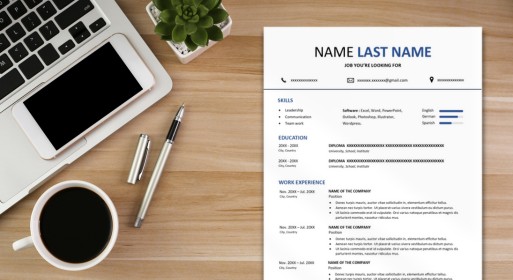
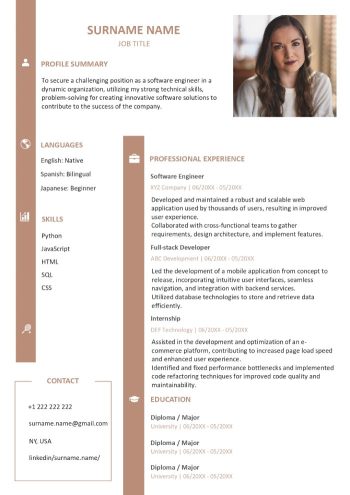
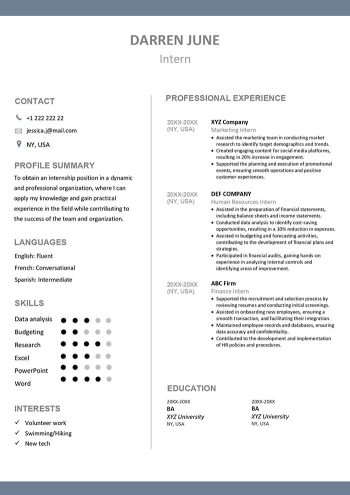
The chronological resume template highlights your work history by emphasizing your most important employment duties, accomplishments, and relevant abilities. This specific resume format allows hiring managers or recruiters to quickly review your experience and career path by placing the job history section underneath the professional overview.
Although the reverse-chronological resume format is the most popular, if you don’t have experience, are changing careers, or have a significant gap in your employment history, you should consider other formats. There are other formats that can be used in these situations to meet your requirements, such as this chronological resume template.
Tips for Making a Good Chronological Resume
Creating a compelling chronological resume is your ticket to showcasing your professional journey in a clear and organized manner. When crafting your CV, it’s crucial to consider the right sections that highlight your skills and experiences effectively. Below, we’ve outlined essential tips for choosing the right sections for your chronological resume, ensuring you present a standout document that captures the attention of potential employers.
- Clear and Concise Formatting: Use a clean and organized layout to enhance readability, and try to maintain a consistent font and font size throughout your resume.
- Relevance is Key: Tailor your resume to the specific job you’re applying for. Don´t forget to emphasize experiences and skills that align with the desired position.
- Quantify Achievements: Include quantifiable achievements to demonstrate your impact. Use numbers and percentages to highlight your contributions.
- Chronological Order: List your work experiences in reverse chronological order (most recent to oldest). This format makes it easy for employers to follow your career progression.
- Use Action Verbs: Start each bullet point with a strong action verb to convey your responsibilities. This adds dynamism to your resume and engages the reader.
- Highlight Key Skills: Dedicate a section to showcase your key skills relevant to the job. Use keywords from the job description to enhance visibility.
Recommended sections
- Contact Information
- Professional Summary or Objective
- Work Experience
- Education
- Skills
- Certifications or Training
Optional sections
- Volunteer Work
- Languages
- Hobbies and Interests
What is the difference between a functional and chronological resume?
Preparing your resume and wondering which format to choose? You’re not alone! The key lies in understanding the difference between a functional and chronological resume. Here’s a simple breakdown to help you decide which style suits you best.
Chronological Resume: the timeline approach
A chronological resume is all about your work history timeline. It’s the go-to choice for many, and here’s why:
- List Your Jobs in Order: This resume lists your jobs starting from the most recent. It’s perfect for showcasing a steady employment history.
- Easy for Employers: Employers love this format as it quickly shows your career progression.
- Highlights Experience: Ideal if you have a strong work background in the same field.

However, if you have gaps in your employment or are changing careers, this might not be your best option.
Functional Resume: skills at the forefront
Enter the functional resume, a skills-based approach. It’s particularly useful in certain situations:
- Showcase Your Skills: This format highlights your skills and abilities, rather than job titles and dates.
- Great for Career Changes: Ideal if you’re switching industries or have varied work experiences.
- Covers Employment Gaps: Helps if you have gaps in your employment history or are re-entering the workforce.
While this resume type is flexible, some employers might find it less straightforward.
Which One Should You Choose?
Ultimately, your choice depends on your career path. If you’ve climbed the ladder in a single field, the chronological resume showcases this beautifully. But, if your journey includes diverse roles or significant gaps, a functional resume might present you in the best light.
Remember, the right resume format can open doors to new opportunities. So, choose wisely and tailor your resume to reflect your unique career story!
Chronological Resumes FAQs
Can I use a chronological resume if I have minimal work experience?
Absolutely. A chronological resume remains a valuable tool for individuals with limited work experience. In this scenario, focus on highlighting your relevant skills, internships, and educational achievements. While the work history section may be less extensive, emphasizing your potential and demonstrating how your skills align with the job requirements can make a strong impression on employers.
What if I want to change careers? Is a chronological resume suitable?
While the chronological resume is a widely used format, those seeking a career change might find value in exploring alternative formats. Consider using a functional or combination resume. These formats allow you to emphasize your skills, qualifications, and accomplishments without adhering strictly to a linear work history. By showcasing your transferrable skills and relevant experiences, you can present a compelling case for your suitability in the new field.
Are there any specific tips for quantifying achievements in a chronological resume?
Certainly. Quantifying achievements in your chronological resume is a powerful strategy. Whenever possible, incorporate numbers, percentages, or specific metrics to provide concrete evidence of your accomplishments. For instance, instead of stating you “improved sales,” you could specify that you “boosted sales by 20% within six months.” This level of detail not only adds credibility but also makes your achievements more impactful for potential employers, showcasing the tangible results of your contributions.