The rise of different social media platforms, including TikTok, Snapchat and Instagram, has contributed to increased competition in the acting industry. Reels, videos, and headshot photos are no longer sufficient to impress hiring managers. So, there is a need to put additional effort into increasing the chance of getting noticed.
Many actors do not consider it important to include a well-written and customized acting cover letter when applying for a certain role. Nearly 45% of hiring managers say that not submitting a cover letter can disqualify your job application. Therefore, adding a cover letter will make you stand out, positioning you as a hardworking actor willing to go the extra mile to achieve your goals.
As there are various acting roles, characters and genres, writing an acting cover letter can be daunting. Knowing what to add and how to customize it according to the required role can be even more confusing. But we are here to help you out!
In this article, we will share 7 tips for writing an acting cover letter and a free template to win your dream acting gig.
Acting Cover Letter Example
Full Name
Address
Phone Number
Email Address
Hiring Manager’s Full Name
Job Title
Company Name
Company Address
To: Hiring Manager Full Name, Date
Dear Mr./Ms./Mx. Hiring Manager Last Name,
As a passionate artist, I am excited to apply for the role of blind man for the upcoming project by (ABC Production) as advertised on the (XYZ website). I am particularly interested in this role as I have been looking for a physically and emotionally demanding character for some time. Moreover, this role holds some personal significance as I have seen my grandfather lose sight at an early age.
With 3+ years of experience as an actor and a strong academic background in filmmaking, I am confident that I will excel at it. Also, I am well-equipped to speak different accents, play instruments, and improvise characters to bring the versatility that any role requires. Additionally, I actively participate in training workshops, short courses and diplomas to familiarize myself with the latest acting techniques and industry trends.
In my previous project, I played the role of a doctor and received huge appreciation, and the show got the highest rating of all time. This remarkable performance has earned me the Best Actor Popular and Jury Award. Besides that, I have worked with well-renowned directors like Ron Howard, Spike Lee, etc. and played leading characters in top plays like Our Town and Mr. Butterfly.
I would like to discuss more about how my previous acting experience and success rate can bring value to your production house through an interview. Thank you for considering my application. Feel free to reach out to me at (phone number or email address) to schedule an audition at your ease.
Sincerely,
Jane Doe
 Download: Download: | Cover Letter Sample |
7 Tips To Write An Effective Acting Cover Letter
Here are 7 tips to craft an effective, professional and concise acting cover letter that positions you as the right fit for the role.
1. Customize your cover letter according to specific role and production house
Most of the time, casting directors search for multiple roles simultaneously, so it’s important to clearly mention the role you are applying for. You can write something like ‘I would love to be considered for the role of a blind man in your XZY project”.
Furthermore, the hiring agents often mention details they seek in a role, such as certain physical traits or a general character description. For example, they may want auditions for a female character of 30+ years of age, having a particular height or a certain attribute like stammering.
Thus, you must tailor your acting cover letter to specific acting requirements. Moreover, highlighting any relevant experience where you have played a similar role can significantly increase your chance of receiving an audition call.
2. Start acting cover letter with an engaging introduction
Open your acting cover letter by expressing your interest in playing the role and linking it with your passion for acting. In addition, mention any award or relevant achievement that positions you as a suitable candidate for the acting role. Here’s how you can engage the hiring agents:
- Grab their attention- Emphasize what develops your interest in applying for the particular role. It can be due to any personal significance or specific attribute of the characters that resonates with you. Do not forget to make it relevant and customized according to the role. Like, I want to do the role of a blind man because … (explains what makes you interested in the role)
- Why you are suitable for the role- Be specific about what makes you a good fit. You can express your enthusiasm about how you have been waiting to play such a role. Alternatively, state any previous experience performing a role similar to the one advertised in the job description.
- Mention your relevant achievement- Select an achievement that aligns with the role you are applying for. For example, if you have won an award for a negative role, featuring this accomplishment will increase your chance of selection.
Following the introduction will be the body of the acting cover letter, where you must include qualifications, certification or relevant experience.
3. Emphasize your qualifications and certifications as an actor
Adding relevant qualifications and certifications will demonstrate your comprehensive knowledge and understanding of the media industry. This can also serve as a competitive edge to your profile, as most actors do not get any formal education to pursue a career as an actor.
- Share your qualification- Mention your formal education in acting and feature particular courses or workshops you have completed during your degree. Most hiring managers require candidates with a bachelor’s in media, filmmaking, fine arts, mass communication etc. for acting roles.
- Showcase relevant certifications- Bring up any acting certification or training that has enhanced your understanding and skillset. This can be from a famous acting school, workshop, or short courses you have attended.
Adding relevant certifications and qualifications will demonstrate your dedication to acting and ongoing passion for learning more about the field.
4. Developing a personal connection with the advertised role
Building a personal link with the advertised character captures the employer’s interest, as they can sense the applicant’s emotional depth. In addition, connecting with the character personally will leave an impression that you can perform the role more effectively. Here’s how you can resonate with the character:
- Personal experience- If you want to play a blind character, consider mentioning your encounter with a blind person or perhaps emphasize the influence of having a blind individual in your surroundings who has developed your interest in the role. Further, explain how your personal experience can help you shape the character, adding little nuances that other candidates may skip.
- Background story- Here, you can add a background story to bring a personal element. This includes building a whole narrative, like childhood or school experiences and other life phases, to show your perspective and efforts in character portrayal.
- Approach to a certain character- Every actor takes a unique approach to a certain role. Some may emphasize building the character’s appearance, while others focus on deep acting details. Explaining how you plan to develop the advertised role reflects your insights and interest in the character.
5. Expand on your relevant experience in the acting field
Demonstrating your relevant experience will inform employers of your craft, diverse acting range and abilities. Here, you can talk about the roles you have taken throughout your career, particularly highlighting those relevant to the character you are applying for. Define your best-performing roles, the genre you’ve worked in or leading characters to showcase your versatility.
For example, you can discuss your experience playing a similar role of a blind person in a different play. Explain the process of role preparation, the overall journey and the feedback you received for that character. If you haven’t performed the exact role, you can still describe any relevant role, like a deaf or mentally disabled person.
6. Explain why you are the right fit for the role
Mention certain hard and soft skills to demonstrate your performance expertise and personality traits. There are specific skills like endurance, fluency in different languages, or versatility that hiring agents seek for the acting position. So, mentioning these will build your image as an easy-going, flexible and hardworking actor.
Some of the soft skills that can give you an edge over other performers are:
- Adaptability
- Communication skills
- Memorization
- Listening skills
- Improvisation
- Stage presence
Hard skills for actors are important as these contribute to refining the craft and enhancing an actor’s performance. Here are some hard skills that you must include in your acting cover letter sample:
- Voice training (Dialects and accents)
- Dancing skills
- Playing instruments
- Familiarity with technical equipment
7. End the acting cover letter with a strong CTA
In the last section, express your gratitude to the casting directors for taking the time to read your cover letter. Express how you are willing to play the role to excel in your career as an actor. Further, show your interest in discussing the acting role through an interview.
Finally, end the cover letter with a formal sign-off. Use ‘Yours Sincerely’ or ‘Warm Regards’ followed by your full name. Some people also use electronic signatures instead of their full name. But this is completely optional.
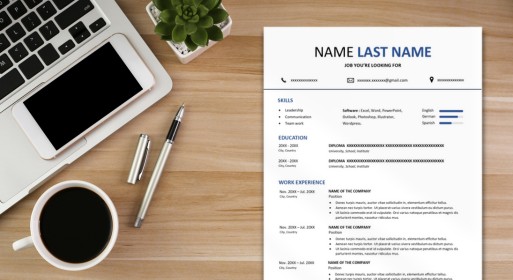
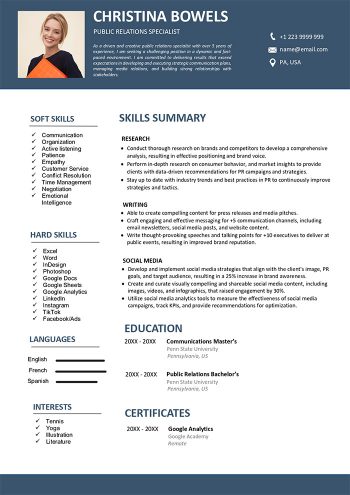
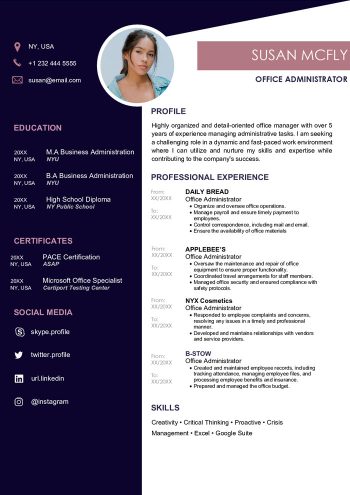
Acting Resume Template

Acting Cover Letter Key Takeaways
- Customize your cover letter according to advertised roles, skills, and experience in the job description.
- Write a convincing introduction that aligns your interest in the character and expresses your enthusiasm for the role.
- Outline your relevant education and certificates and showcase your knowledge and proficiency in the acting field.
- Describe your connection with the relevant role by explaining how you personally resonate with it, defining your approach to developing a certain character or building a background story.
- Emphasize your acting experience, roles you have taken up or people you have worked with to establish your credibility.
- Highlight soft and hard acting skills to strengthen your acting profile and portray you as a strong, dedicated, and detail-oriented actor.
- Lastly, end your acting cover letter with a strong call to action and guide the employers to take further action.