In today’s competitive job market, having a standout CV is crucial for landing your dream job. A well-organized CV not only showcases your skills and experience but also makes a lasting impression on potential employers. This article will guide you through creating a compelling CV outline, with a focus on design, free templates, and practical examples.
How to Outline a CV
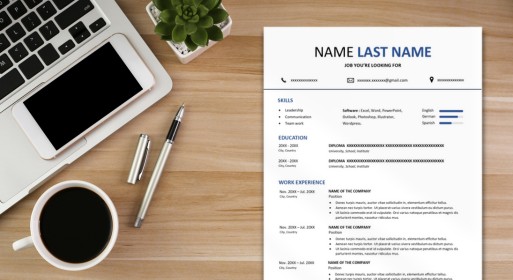
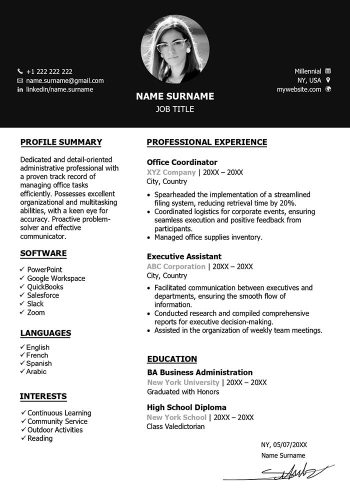
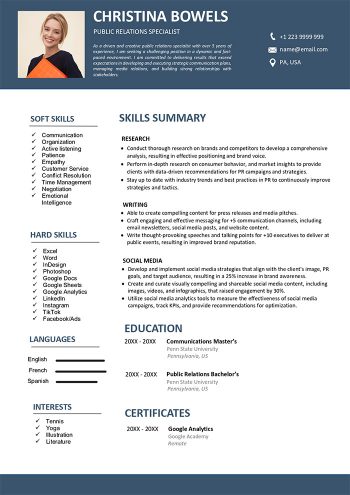
When crafting your CV, the design plays a pivotal role in capturing attention. A clean and visually appealing layout ensures that your CV is easy to read. Use a simple font and maintain a consistent format throughout. Bullet points and headers help break down information, making it reader-friendly.
- Tailor to the Job: Customize your CV for each application, emphasizing skills and experiences relevant to the specific job.
- Keep it Concise: Aim for a one-page CV, focusing on key information. Employers often appreciate brevity and clarity.
- Highlight Achievements: Instead of just listing duties, showcase your accomplishments to demonstrate your impact in previous roles.
- Use Action Verbs: Start each bullet point with a strong action verb to add dynamism to your descriptions.
- Quantify Results: Whenever possible, include numbers or percentages to quantify your achievements, giving employers a tangible sense of your contributions.
- Proofread Thoroughly: Avoid common errors by proofreading your CV multiple times. A well-edited document reflects attention to detail.
Recommended Sections
- Contact Information
- Professional Summary or Objective
- Education
- Work Experience
- Skills
- Certifications or Training
Optional Sections
- Volunteer Experience
- Hobbies/Interests
- Languages
- Publications or Projects
- References
Also read: How to Make a Good Resume
Difference Between a CV Outline and a Resume
The primary distinction between a CV (Curriculum Vitae) and a resume lies in their purpose, length, and content.
Purpose
CV: Typically used in academic and research settings, a CV is a comprehensive document that details your entire career, including education, research, publications, and presentations.
Resume: Tailored for job applications in various industries, a resume is a concise summary of your professional experience, skills, and qualifications.
Length
CV: Can be more extensive, often extending to multiple pages.
Resume: Generally limited to one or two pages.
Content
CV: Includes detailed information on academic achievements, research, and a comprehensive list of publications.
Resume: Focuses on work experience, skills, and achievements relevant to the specific job.
How to Outline Professional Experience on a CV
Examining CV examples can provide valuable insights into effective CV writing. Analyze successful CVs in your industry to understand how to tailor your content for maximum impact.
Example of professional experience
Customer Service Representative at Global Solutions
March 20XX – July 20XX
- Implemented a customer feedback survey, leading to a 15% improvement in service quality.
- Successfully resolved 90% of customer complaints, exceeding the company’s satisfaction targets.
- Initiated a training program for new hires, resulting in a 30% reduction in onboarding time.
CV Outline FAQs
Should I include unrelated work experience on my CV?
Determining whether to include unrelated work experience on your CV can be perplexing, especially if you’ve had diverse roles throughout your career. Here’s guidance on navigating this common issue:
- Relevance is Key: Prioritize relevance. If a seemingly unrelated role taught you transferable skills or attributes valuable to the position you’re applying for, consider including it. Highlight aspects like teamwork, communication, or problem-solving that are universally applicable.
- Early Career Considerations: For those early in their career, showcasing diverse experiences can demonstrate adaptability and a range of skills. However, as you gain more experience, focus on roles directly pertinent to your current career goals.
- Tailor Your CV: Customize your CV for each application. If including an unrelated position strengthens your overall narrative for a specific job, do so. Otherwise, prioritize experiences that align closely with the requirements of the role.
How should I list my professional history?
The best way to do this is in reverse chronological order. Its ensures your CV highlights your most recent and relevant achievements first. This format allows employers to quickly grasp your current skill set and professional trajectory. Starting with your latest position provides a chronological narrative that showcases career progression, demonstrating your growth and expertise over time. This approach helps recruiters focus on your recent accomplishments, which are often more indicative of your current qualifications and suitability for the job at hand.