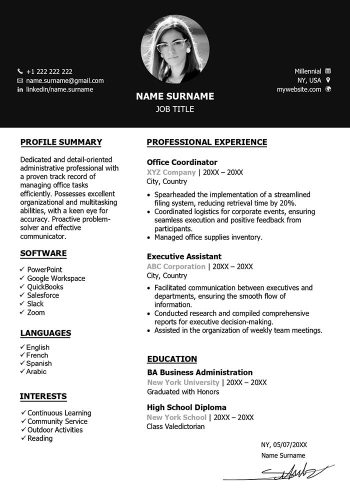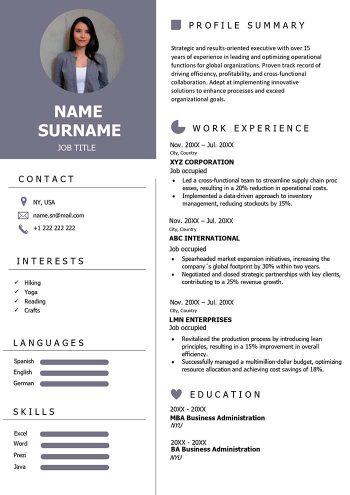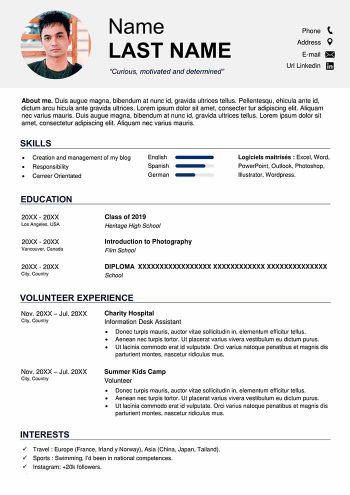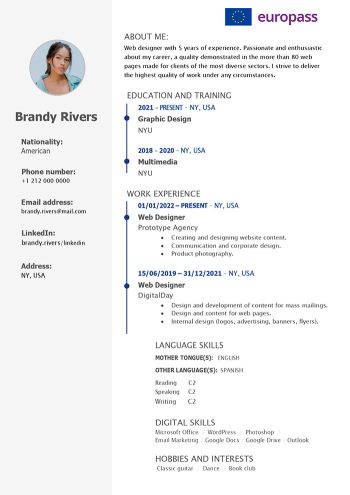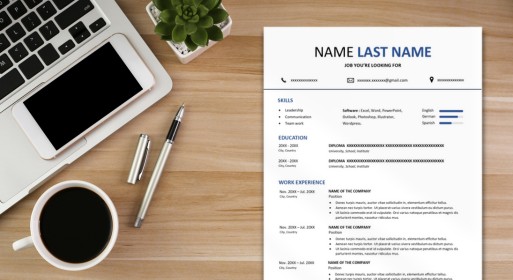
The age old question that gets passed down from generation to generation of workerbees like yourself: How long should a resume be?
We are here to put this doubt to rest. Are you ready for it?
A resume should ideally be one page long, although you can reach 2 pages if you have been working for around 10 years plus or minus a few.
In this blog post, we will dig into:
- How to achieve the much sought after 1-2 page resume.
- How far back your resume should go.
- Links to more of our free resume templates in Word.
When to Use a One-Page Resume
For many years, it was common practice to keep your resume to 1 page, especially if you were just starting out. Employers thought it to be an effective technique to display your ability to speak simply while focusing on your most important qualifications. While this advice is still applicable in some cases, it is not a one-size-fits-all guideline.
- A one-page resume is usually acceptable if you are a recent graduate or have less than five years of professional experience. Because you may lack experience at this time, it is critical that you concentrate on your most relevant achievements and certifications.
- When applying for a job that demands a very specific skill set, a one-page resume may be effective. You may make your paper more relevant to the job description by emphasizing the most relevant abilities and experiences.
Free download our Resume Templates Word
The Two-Page Resume
As you progress in your career and accumulate more experiences, skills, and accomplishments, you may find that one page no longer does justice to your qualifications.
The following are scenarios where you can send in a 2–page resume:

While a two-page resume allows for more detail, it should still be well-organized, with the most important information placed prominently. The second page shouldn’t be filled with filler content; every detail should contribute to your narrative.
Also check: Word Creative Resume Templates
How Far Back Should Your Resume Go?
While two pages is the industry norm for seasoned professionals, some people may wonder how far back their CV should go in terms of recording work history. Here is a checklist to assist you in deciding what to include:
- Relevant Experience: Your CV should highlight your most relevant experiences for the position you’re seeking. Unless it is directly relevant to the position, anything older than 10-15 years may become less significant. Also, you would be forced to be more direct if you keep a minimum of 3-5 bullet points for each job.
- Achievements: Consider the significance of your accomplishments during that time period when deciding whether to highlight an older position. It is critical to highlight quantifiable major accomplishments that demonstrate talents or experiences.
- Tailoring is key: Tailor your CV for each job application. If an older position doesn’t add value to your application for a particular role, you can omit it. This selective approach ensures that your CV remains concise and targeted.
- Education and certifications: Include education and certifications, regardless of their age. These credentials often have enduring value and can bolster your qualifications. Leave out high school education, however, as that becomes irrelevant starting from entry level.
Also read: How Many Bullet Points Per Job
To sum up, when deciding on how long a CV should be, analyze what is the best option for you at your current stage of employment. The content should always come first, whether your resume is one or two pages long. Focus on showing your abilities, skills, and accomplishments in a way that convinces recruiters to call you up on a blessed Monday morning.